Why is the water pressure so low in your Point Breeze shower?
Low water pressure in your shower is more than just an inconvenience—it can signal serious plumbing issues lurking behind your Point Breeze home’s walls. Whether you’re dealing with a trickle instead of a flow or pressure that fluctuates wildly, understanding the root cause is the first step to getting your morning routine back on track. From aging galvanized pipes common in Pittsburgh’s historic neighborhoods to failing pressure reducing valves, the reasons range from simple fixes to complex system failures. This guide walks you through the most frequent culprits and helps you decide when it’s time to call in the professionals at Ace Plumbing Pittsburgh. Pittsburgh Water and Sewer Authority.
Common causes of low water pressure in Point Breeze homes
Point Breeze homes, many built in the early 1900s, often face unique plumbing challenges due to their age and the Pittsburgh region’s infrastructure. The first step in diagnosing your pressure problem is determining whether it’s isolated to one fixture or affects your entire home. Emergency 24 Hour Plumbing Services in the Bloomfield Area.
Is it just your shower or the whole house?
Turn on multiple faucets throughout your home. If only your shower has low pressure while other fixtures flow normally, you’re likely dealing with a localized issue like a clogged showerhead or partially closed valve. However, if every tap produces weak flow, the problem lies deeper in your plumbing system or with the municipal supply. The Best Local Plumbers in Mt. Lebanon for Fast Water Heater Repair.
Pressure reducing valve (PRV) failure
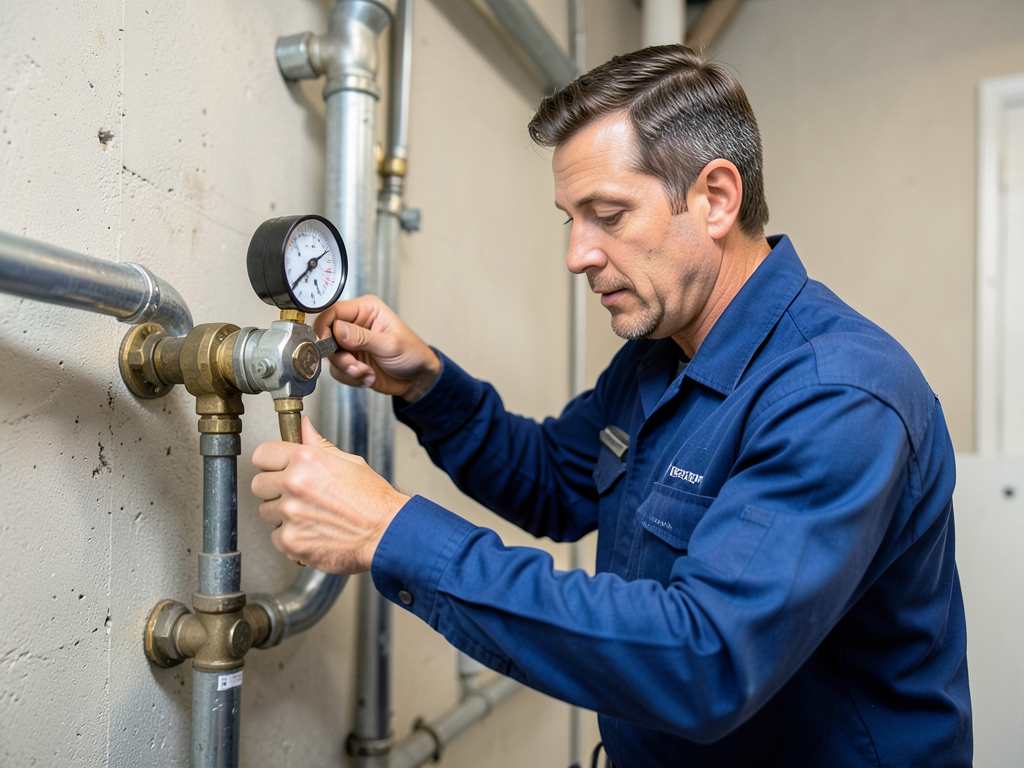
Most Point Breeze homes have a pressure reducing valve installed where the main water line enters the house. These valves, typically set between 40-60 PSI, can fail over time. When they do, you might experience either dangerously high pressure that stresses your pipes or frustratingly low pressure that makes daily tasks difficult.. Read more about Is Pittsburgh water making your hair dry and skin itchy?.
Galvanized pipe corrosion
Many Point Breeze homes still contain original galvanized steel pipes. These pipes corrode from the inside out, creating mineral buildup that narrows the internal diameter. A pipe that was once 1/2 inch might effectively become 1/4 inch or smaller, dramatically reducing water flow. This corrosion is particularly common in homes built before 1960.
Mineral deposits and hard water
Pittsburgh’s water contains minerals that, over time, accumulate in your plumbing. Showerheads and faucet aerators are especially vulnerable, with tiny holes becoming clogged with calcium and magnesium deposits. You might notice white, crusty buildup around your fixtures—a clear sign of mineral accumulation. Pittsburgh Backflow Testing and Certification for Local Business Owners.
Main shut-off valve issues
Your home’s main water shut-off valve might not be fully open. After plumbing repairs or maintenance, valves can get bumped or left partially closed. Even being slightly off can significantly impact your water pressure. EPA Ground Water and Drinking Water.
Water heater complications
If your pressure drops specifically when using hot water, your water heater might be the culprit. Sediment buildup in the tank can restrict flow, and the heat trap installed on many units can sometimes malfunction, creating pressure imbalances.
Point Breeze-specific factors affecting water pressure
Living in Point Breeze means dealing with Pittsburgh’s unique infrastructure challenges. The neighborhood’s elevation changes can create pressure variations, with homes on higher ground sometimes experiencing lower pressure than those in valleys. Dealing With Old Pipe Problems in Historic Shadyside Homes.
Pittsburgh Water and Sewer Authority (PWSA) maintenance
The PWSA frequently performs maintenance on the city’s aging water mains. During these periods, you might notice reduced pressure or complete outages. Check PWSA’s website or call (412) 255-2423 for current work notifications affecting your area.
Lead line replacement impact
Point Breeze, like many Pittsburgh neighborhoods, has homes with lead service lines. The PWSA’s ongoing lead line replacement program sometimes causes temporary pressure drops as crews work on nearby properties. These disruptions typically last a few hours to a day.. Read more about How to tell if your old toilet just needs a part or a full replacement.
Seasonal pressure fluctuations
Pittsburgh’s freeze-thaw cycles can affect municipal water pressure. Winter cold snaps might cause pressure drops as pipes contract, while spring thaws can lead to temporary increases as ice blockages clear.
Combined sewer overflow concerns
During heavy rains, Pittsburgh’s combined sewer system can become overwhelmed, potentially affecting water pressure as the system manages the excess flow. This is more common in older neighborhoods like Point Breeze.
DIY troubleshooting steps for low water pressure
Before calling a plumber, try these simple diagnostic steps to identify your pressure problem.
Check your water meter
Locate your water meter (usually in the basement near the front of your home). Ensure the main valve feeding the meter is fully open—turn it counterclockwise until it stops. Then check the valve on the house side of the meter and make sure it’s completely open as well.
Clean your showerhead
Remove your showerhead and soak it in vinegar for several hours to dissolve mineral deposits. Use an old toothbrush to scrub away visible buildup. If your showerhead is more than 10 years old, replacement might be more cost-effective than cleaning. Grease Trap Cleaning & Pumping.
Test multiple fixtures
Turn on all cold water faucets in your home simultaneously. If pressure drops significantly when multiple fixtures run, you likely have a supply issue rather than a localized problem. Note which fixtures are most affected.
Inspect visible pipes
Look for signs of corrosion, leaks, or damage on exposed pipes in your basement or utility area. Greenish deposits on copper pipes or rust on galvanized pipes indicate deterioration that could be restricting flow.. Read more about Hidden plumbing leaks that are driving up your Pittsburgh water bill.
Check for hidden leaks
Turn off all water in your home and check your water meter. If the meter continues to run, you likely have a hidden leak somewhere in your system. This could be under your slab, in your walls, or underground.
When to call a professional plumber
Some pressure problems require professional diagnosis and repair. Here’s when to stop troubleshooting and call Ace Plumbing Pittsburgh.. Read more about Fast Pipe Leak Detection and Repair in Carnegie.
Pressure drops throughout the house
If you’ve confirmed the issue isn’t isolated to one fixture and your DIY checks haven’t revealed an obvious cause, you need professional help. A licensed plumber can test your system pressure, inspect your PRV, and identify hidden problems.
Suspected pipe corrosion
Galvanized pipes don’t last forever. If your home is over 50 years old and still has original plumbing, corrosion is likely. A plumber can use specialized cameras to inspect your pipes’ interior condition without demolition.
Water heater pressure issues
Problems that only occur with hot water often require water heater expertise. Issues like a failing dip tube, sediment-clogged pipes, or a malfunctioning mixing valve need professional diagnosis and repair.
Main line problems
If your pressure issues coincide with other symptoms like discolored water, unusual sounds in your pipes, or wet spots in your yard, you might have a main line problem. These issues require immediate professional attention.
Professional solutions for Point Breeze water pressure problems
Ace Plumbing Pittsburgh offers several solutions for persistent pressure problems common in Point Breeze homes.
PRV replacement and adjustment
A failing pressure reducing valve can be replaced with a new, properly calibrated unit. Our technicians test your incoming pressure and set your PRV to the optimal 50-60 PSI range for your home.
Repiping services
For homes with severely corroded galvanized pipes, whole-house repiping might be necessary. Modern PEX or copper piping provides better flow, resists corrosion, and can increase your home’s value. We typically complete repiping in 2-3 days with minimal disruption.
Water heater upgrades
If your water heater is over 10 years old and causing pressure issues, replacement might be the most cost-effective solution. Tankless water heaters can provide endless hot water at consistent pressure.
Main line repair or replacement
Cracked or collapsed main lines cause pressure drops and can lead to water damage. We use trenchless technology when possible to minimize yard disruption while replacing damaged sections.
Water softener installation
If hard water is causing mineral buildup, a whole-house water softener can prevent future problems. This is especially valuable in Pittsburgh’s mineral-rich water supply.
Preventing future water pressure problems
Regular maintenance can prevent many pressure issues before they start.
Annual plumbing inspections
Schedule yearly inspections to catch corrosion, leaks, and valve problems early. Our technicians check water pressure, inspect visible pipes, and test your PRV during these visits.
Water heater maintenance
Flush your water heater annually to remove sediment buildup. Replace the anode rod every 3-5 years to prevent tank corrosion that can affect pressure.
Fixture maintenance
Clean aerators and showerheads quarterly to prevent mineral buildup. Replace washers and seals in faucets before they fail completely.. Read more about Why your shower temperature keeps changing when someone flushes the toilet.
Cost considerations for pressure repairs
The cost to fix water pressure problems varies widely based on the cause and required repairs.
DIY fixes vs. professional repairs
Simple fixes like cleaning a showerhead or adjusting a valve might cost nothing if you do it yourself. However, attempting complex repairs without proper tools and knowledge often leads to more expensive problems.
Investment in long-term solutions
While repiping or water heater replacement represents a significant upfront cost, these solutions often pay for themselves through improved efficiency, prevented damage, and increased home value.
Emergency service considerations
Pressure problems that develop suddenly or affect your entire home might indicate emergencies requiring immediate attention. Ace Plumbing Pittsburgh offers 24/7 emergency service throughout Point Breeze and surrounding areas.
Frequently Asked Questions
Why does my water pressure seem fine in the morning but drops later?
Morning pressure is typically highest because fewer people are using water. As neighbors wake up and use showers, toilets, and appliances, municipal pressure drops. If your pressure drops more than your neighbors’, you might have a partially closed valve or failing PRV.
Can my water pressure be too high?
Yes. Pressure above 80 PSI can damage fixtures, cause leaks, and waste water. Pittsburgh’s municipal supply sometimes runs higher than ideal, which is why most homes need a pressure reducing valve. We recommend 50-60 PSI for optimal performance.
How long do pressure reducing valves typically last?
PRVs usually last 7-12 years depending on water quality and usage. Signs of failure include pressure fluctuations, whistling sounds, or water hammer (banging pipes). Annual testing can catch problems before they cause damage.
Will repiping my house increase my home’s value?
Yes. New plumbing is a strong selling point, especially in historic neighborhoods like Point Breeze where many homes still have original galvanized pipes. Buyers appreciate knowing they won’t face immediate plumbing repairs.
Is low water pressure covered by homeowners insurance?
Generally no. Insurance covers sudden, accidental damage but not gradual wear or maintenance issues. However, if low pressure results from a covered peril like a burst pipe, related repairs might be covered.
Conclusion: Don’t let low water pressure disrupt your life
Living with inadequate water pressure affects everything from your morning shower to your dishwasher’s performance. While some causes are simple DIY fixes, others require professional diagnosis and repair. Point Breeze homes face unique challenges due to their age and Pittsburgh’s infrastructure, making experienced local plumbers essential for proper diagnosis.
If you’ve tried the basic troubleshooting steps and still have pressure problems, don’t wait for the issue to worsen. Call Ace Plumbing Pittsburgh at (412) 382-8366 today to schedule your professional water pressure assessment. Our experienced technicians understand the specific challenges facing Point Breeze homes and can quickly identify and resolve your pressure problems. Whether you need a simple PRV adjustment or complete repiping, we’ll restore your water pressure and your peace of mind.
Don’t let another day start with a disappointing shower. Pick up the phone and call (412) 382-8366 before the next storm hits or the next PWSA maintenance project affects your neighborhood. Your home deserves reliable water pressure, and you deserve a plumber who understands Point Breeze’s unique plumbing challenges.
Call (412) 382-8366 today to schedule your inspection.
You may also find this helpful. Deciding between a traditional tank and a tankless water heater for your Gibsonia home.
You may also find this helpful. Adding radiant floor heating to your bathroom remodel in Sewickley.
{
“@context”: “https://schema.org”,
“@type”: “BlogPosting”,
“headline”: “Why is the water pressure so low in your Point Breeze shower?”,
“description”: “Struggling with weak shower pressure in your Point Breeze home? Discover common causes from corroded pipes to failing PRVs and when to call Ace Plumbing Pittsburgh at (412) 382-8366.”,
“wordCount”: 1958,
“datePublished”: “2026-03-05T08:13:00.000Z”,
“dateModified”: “2026-03-05T08:13:00.000Z”,
“inLanguage”: “en-US”,
“mainEntityOfPage”: {
“@type”: “WebPage”,
“@id”: “https://aceplumbingpittsburgh.com”
},
“publisher”: {
“@type”: “LocalBusiness”,
“name”: “Ace Plumbing Pittsburgh”,
“url”: “https://aceplumbingpittsburgh.com”
},
“author”: {
“@type”: “Organization”,
“name”: “Ace Plumbing Pittsburgh”,
“url”: “https://aceplumbingpittsburgh.com”
},
“image”: {
“@type”: “ImageObject”,
“url”: “https://aceplumbingpittsburgh.com/wp-content/uploads/2026/03/why-is-the-water-pressure-so-low-in-your-point-bre-1.png”
}
}
{
“@context”: “https://schema.org”,
“@type”: “Plumber”,
“name”: “Ace Plumbing Pittsburgh”,
“url”: “https://aceplumbingpittsburgh.com”,
“address”: {
“@type”: “PostalAddress”,
“addressLocality”: “Pittsburgh”
},
“areaServed”: {
“@type”: “City”,
“name”: “Pittsburgh”
}
}
{
“@context”: “https://schema.org”,
“@type”: “FAQPage”,
“mainEntity”: [
{
“@type”: “Question”,
“name”: “Is it just your shower or the whole house?”,
“acceptedAnswer”: {
“@type”: “Answer”,
“text”: “Turn on multiple faucets throughout your home. If only your shower has low pressure while other fixtures flow normally, you’re likely dealing with a localized issue like a clogged showerhead or partially closed valve. However, if every tap produces weak flow, the problem lies deeper in your plumbing system or with the municipal supply. The Best Local Plumbers in Mt. Lebanon for Fast Water Heater Repair.”
}
},
{
“@type”: “Question”,
“name”: “Why does my water pressure seem fine in the morning but drops later?”,
“acceptedAnswer”: {
“@type”: “Answer”,
“text”: “Morning pressure is typically highest because fewer people are using water. As neighbors wake up and use showers, toilets, and appliances, municipal pressure drops. If your pressure drops more than your neighbors’, you might have a partially closed valve or failing PRV.”
}
},
{
“@type”: “Question”,
“name”: “Can my water pressure be too high?”,
“acceptedAnswer”: {
“@type”: “Answer”,
“text”: “Yes. Pressure above 80 PSI can damage fixtures, cause leaks, and waste water. Pittsburgh’s municipal supply sometimes runs higher than ideal, which is why most homes need a pressure reducing valve. We recommend 50-60 PSI for optimal performance.”
}
},
{
“@type”: “Question”,
“name”: “How long do pressure reducing valves typically last?”,
“acceptedAnswer”: {
“@type”: “Answer”,
“text”: “PRVs usually last 7-12 years depending on water quality and usage. Signs of failure include pressure fluctuations, whistling sounds, or water hammer (banging pipes). Annual testing can catch problems before they cause damage.”
}
},
{
“@type”: “Question”,
“name”: “Will repiping my house increase my home’s value?”,
“acceptedAnswer”: {
“@type”: “Answer”,
“text”: “Yes. New plumbing is a strong selling point, especially in historic neighborhoods like Point Breeze where many homes still have original galvanized pipes. Buyers appreciate knowing they won’t face immediate plumbing repairs.”
}
},
{
“@type”: “Question”,
“name”: “Is low water pressure covered by homeowners insurance?”,
“acceptedAnswer”: {
“@type”: “Answer”,
“text”: “Generally no. Insurance covers sudden, accidental damage but not gradual wear or maintenance issues. However, if low pressure results from a covered peril like a burst pipe, related repairs might be covered.”
}
}
]
}
{
“@context”: “https://schema.org”,
“@type”: “BreadcrumbList”,
“itemListElement”: [
{
“@type”: “ListItem”,
“position”: 1,
“name”: “Home”,
“item”: “https://aceplumbingpittsburgh.com”
},
{
“@type”: “ListItem”,
“position”: 2,
“name”: “Blog”,
“item”: “https://aceplumbingpittsburgh.com/blog”
},
{
“@type”: “ListItem”,
“position”: 3,
“name”: “Why is the water pressure so low in your Point Breeze shower?”
}
]
}
{
“@context”: “https://schema.org”,
“@type”: “Service”,
“serviceType”: “Plumbing”,
“provider”: {
“@type”: “LocalBusiness”,
“name”: “Ace Plumbing Pittsburgh”,
“url”: “https://aceplumbingpittsburgh.com”
},
“areaServed”: {
“@type”: “City”,
“name”: “Pittsburgh”
},
“description”: “Struggling with weak shower pressure in your Point Breeze home? Discover common causes from corroded pipes to failing PRVs and when to call Ace Plumbing Pittsburgh at (412) 382-8366.”
}